
Costs, sealer types, the process, and how to hire well.
Everything a Tampa Bay homeowner should know before sealing a driveway, patio or pool deck, from a local crew that cleans and seals pavers every week.
Professional paver sealing typically costs between $0.75 and $2.50 per square foot in Lutz, FL, depending on sealer type, surface condition, and job size. This protective treatment extends paver lifespan by 3-5 years while enhancing color and preventing weed growth, staining, and erosion.
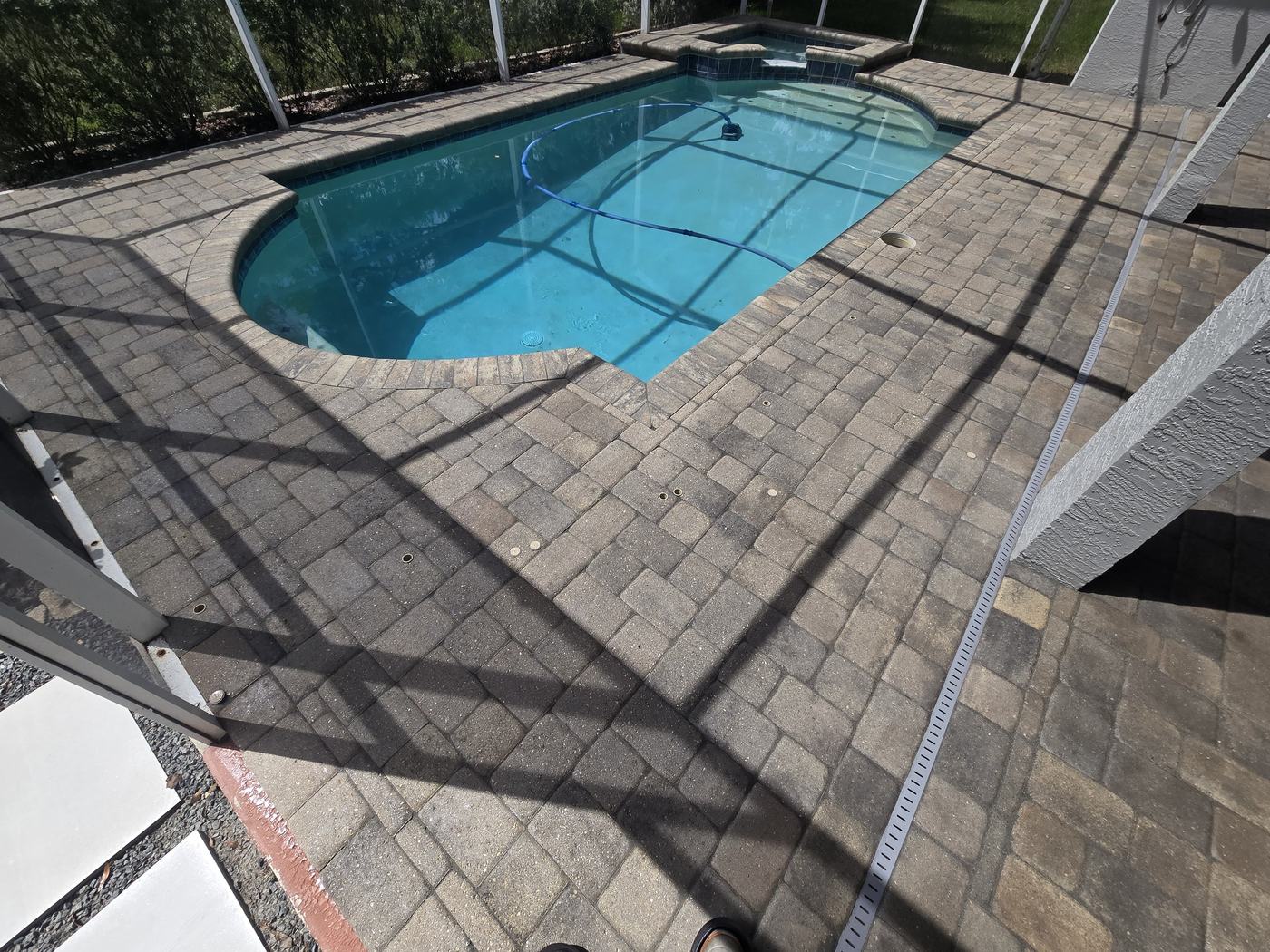
Whether you’re maintaining a driveway, pool deck, or commercial walkway, understanding what goes into paver sealing helps you budget accurately and avoid overpaying. This guide breaks down sealer types, pricing factors, the application process, and how to choose a reliable provider in the Tampa Bay area.
What Is Paver Sealing and Why Does It Matter?
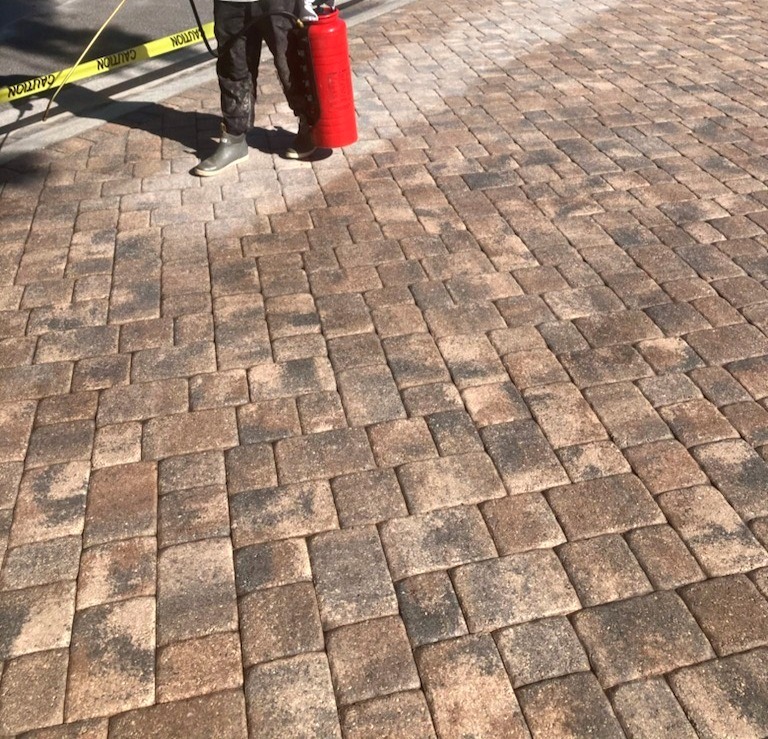
Paver sealing applies a protective coating to brick, concrete, or natural stone pavers that shields surfaces from UV damage, moisture penetration, and daily wear. The sealer creates a barrier that locks in joint sand, resists oil and grease stains, and maintains the original color intensity of your hardscape investment.
Without protection, Florida’s intense sun and frequent rain cycles accelerate paver deterioration. Unsealed pavers fade within 1-2 years, develop weed growth between joints, and become increasingly difficult to clean as porous surfaces absorb contaminants.
How Paver Sealers Protect Your Investment
Quality sealers work in two primary ways. Film-forming products create a visible surface layer that repels water and enhances color. Penetrating sealers absorb into the paver material itself, providing invisible protection without changing appearance.
Both approaches prevent the freeze-thaw damage common in northern climates and the efflorescence (white mineral deposits) that plagues Florida pavers exposed to moisture. Sealed surfaces also resist mold and mildew growth, reducing maintenance frequency and preserving curb appeal.
Sealed vs. Unsealed Pavers: Key Differences
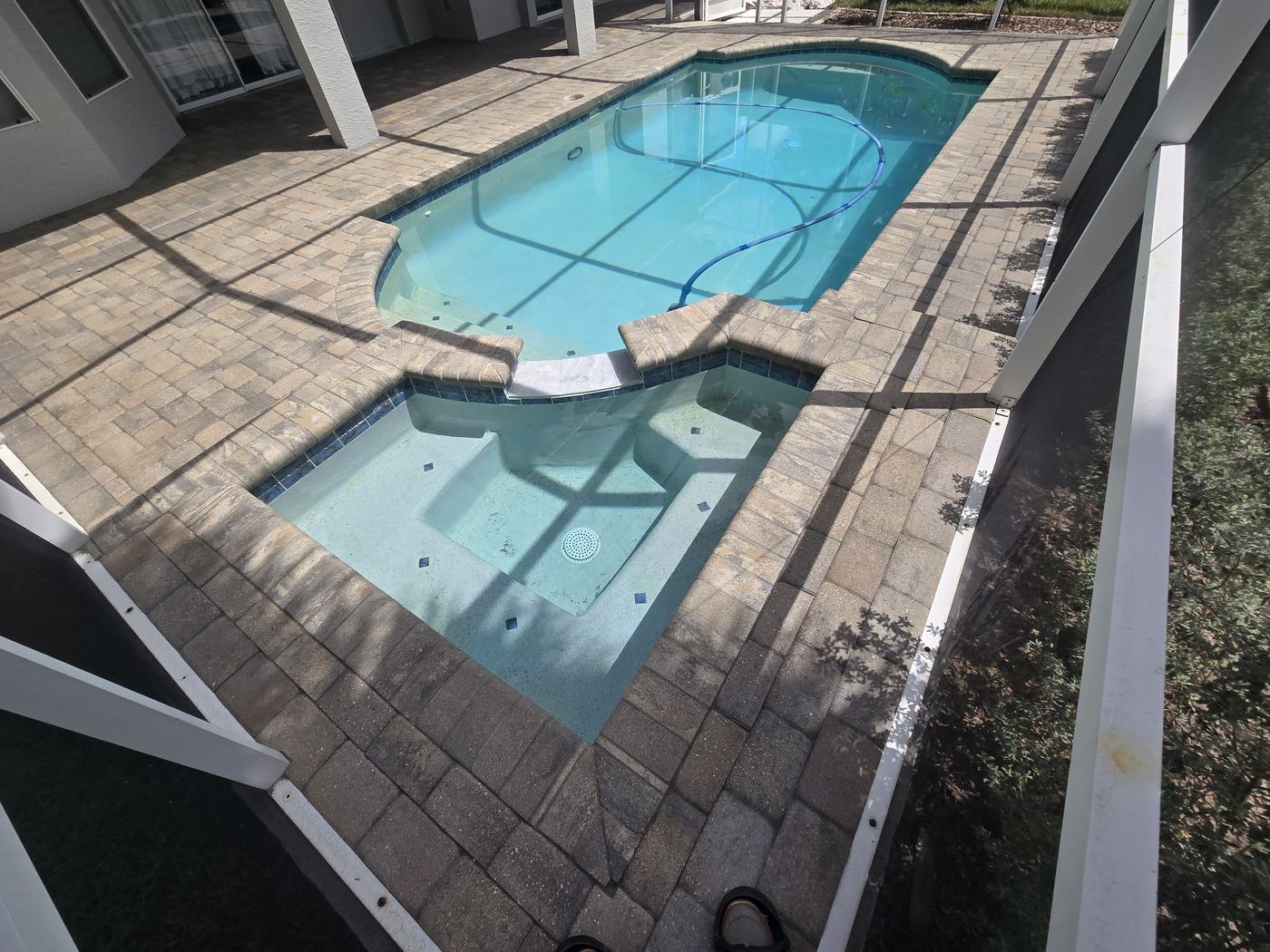
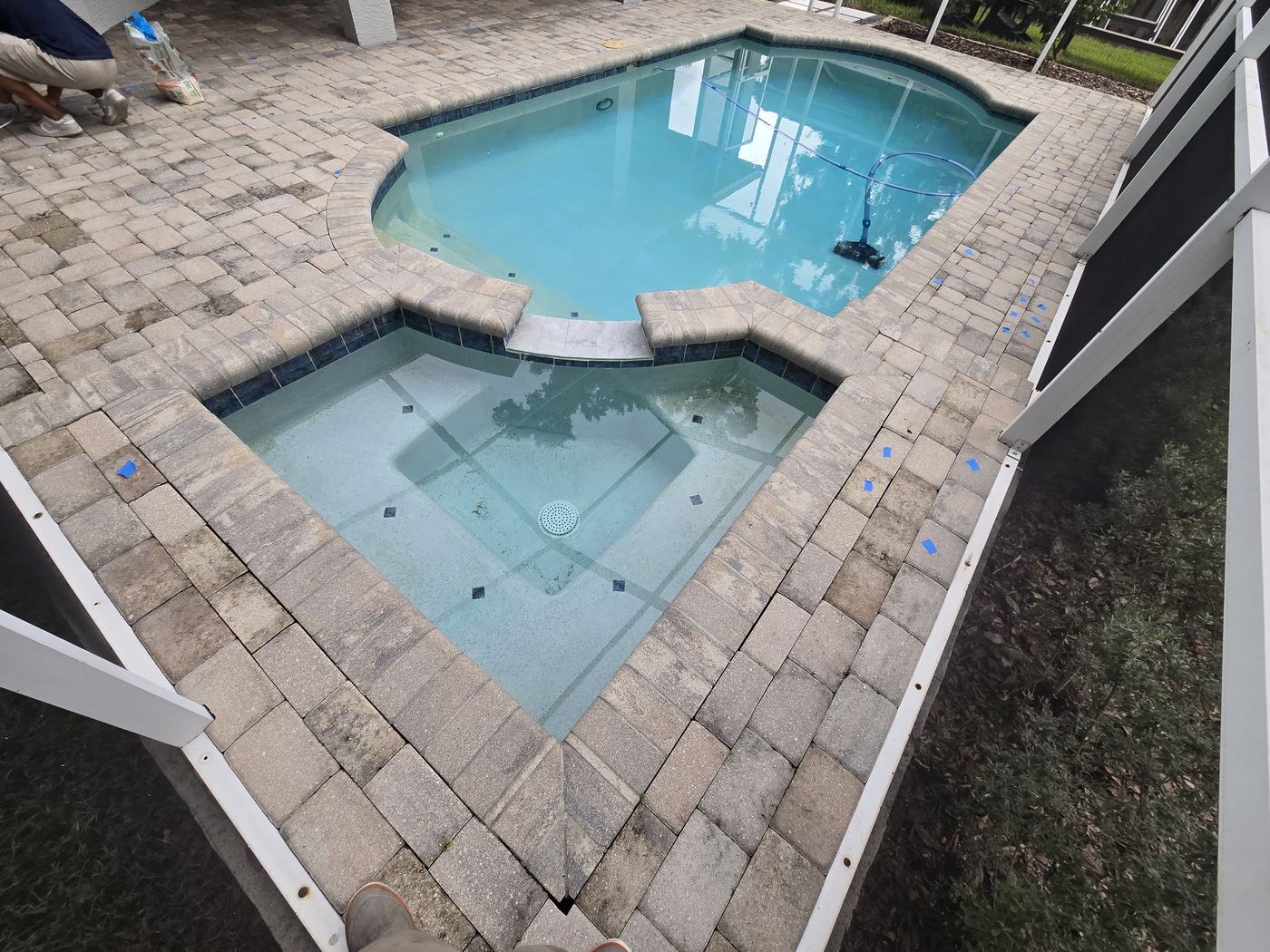 UnsealedSealed
| Factor | Sealed Pavers | Unsealed Pavers |
| Color Retention | 3-5 years | 6-12 months |
| Weed Growth | Minimal | Frequent |
| Stain Resistance | High | Low |
| Joint Sand Stability | Locked in place | Washes out |
| Cleaning Difficulty | Easy | Moderate to difficult |
| Lifespan Extension | 25-50% longer | Standard wear |
The visual difference becomes obvious within months. Sealed pavers maintain rich, vibrant tones while unsealed surfaces develop a chalky, faded appearance that makes properties look neglected.
Types of Paver Sealers Explained
Choosing the right sealer depends on your aesthetic preferences, budget, and maintenance expectations. Each product category offers distinct advantages for different applications and surface types.
Water-Based Sealers
Water-based formulas represent the most popular choice for residential applications. They produce low odor during application, dry quickly, and clean up with soap and water. These sealers typically provide a natural matte finish or subtle sheen without dramatically altering paver appearance.
Environmental friendliness makes water-based products ideal for pool decks and areas near landscaping. They allow moisture vapor to escape from beneath the surface, reducing the risk of trapped moisture causing paver damage or sealer failure.
Solvent-Based Sealers
Solvent-based sealers deliver deeper penetration and longer-lasting protection, typically 4-6 years versus 2-3 years for water-based alternatives. They produce a more pronounced wet-look finish that dramatically enhances color depth and richness.
The trade-off involves stronger application odors, longer curing times, and stricter environmental regulations. Professional applicators in Lutz must follow specific guidelines for solvent-based product use, which can affect scheduling and pricing.
Penetrating vs. Film-Forming Sealers
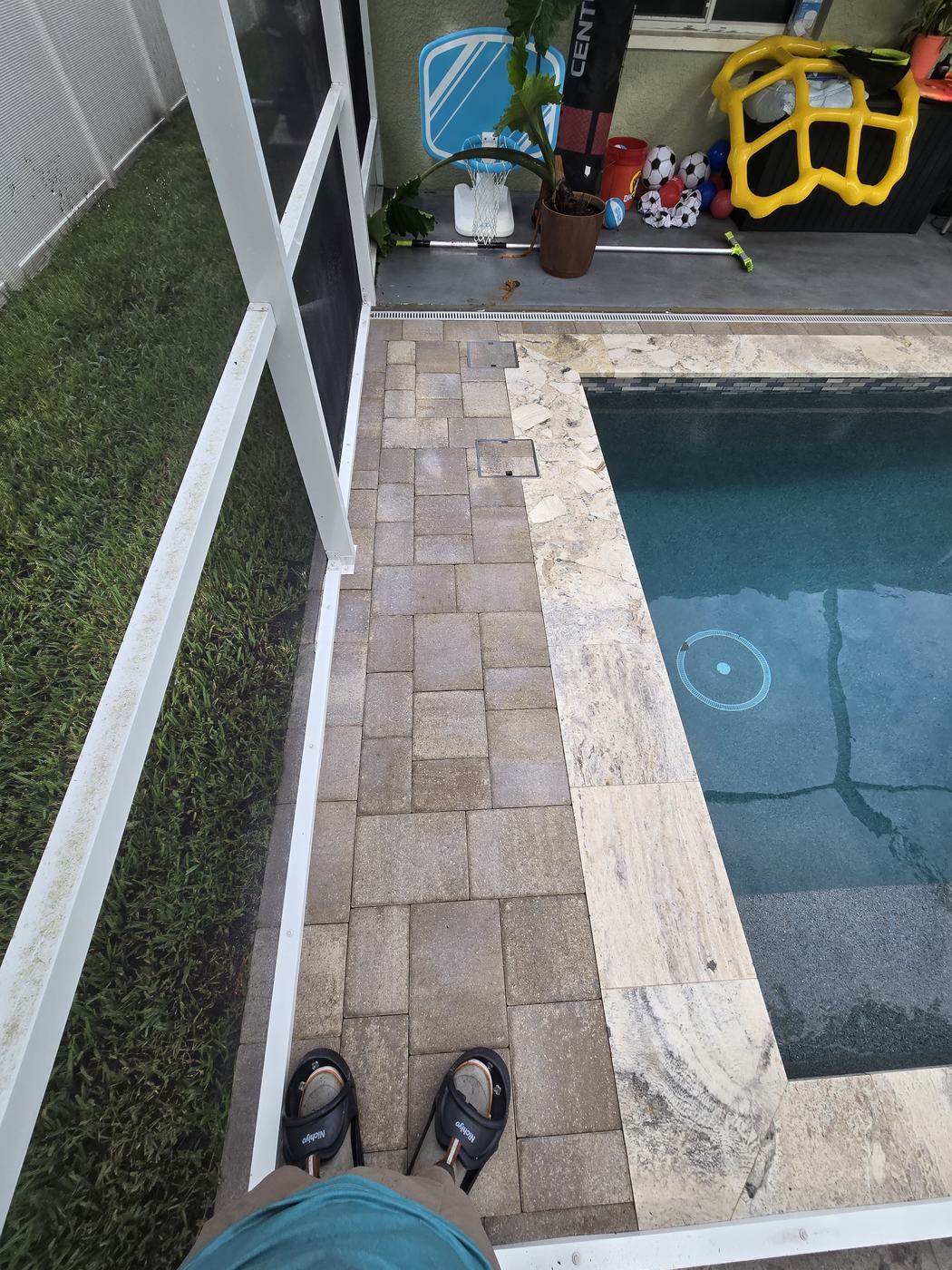
Penetrating sealers absorb into paver pores without leaving a surface coating. They provide excellent protection against moisture and staining while maintaining the original texture and slip resistance. These products work best for natural stone and high-traffic commercial areas where surface buildup could create hazards.
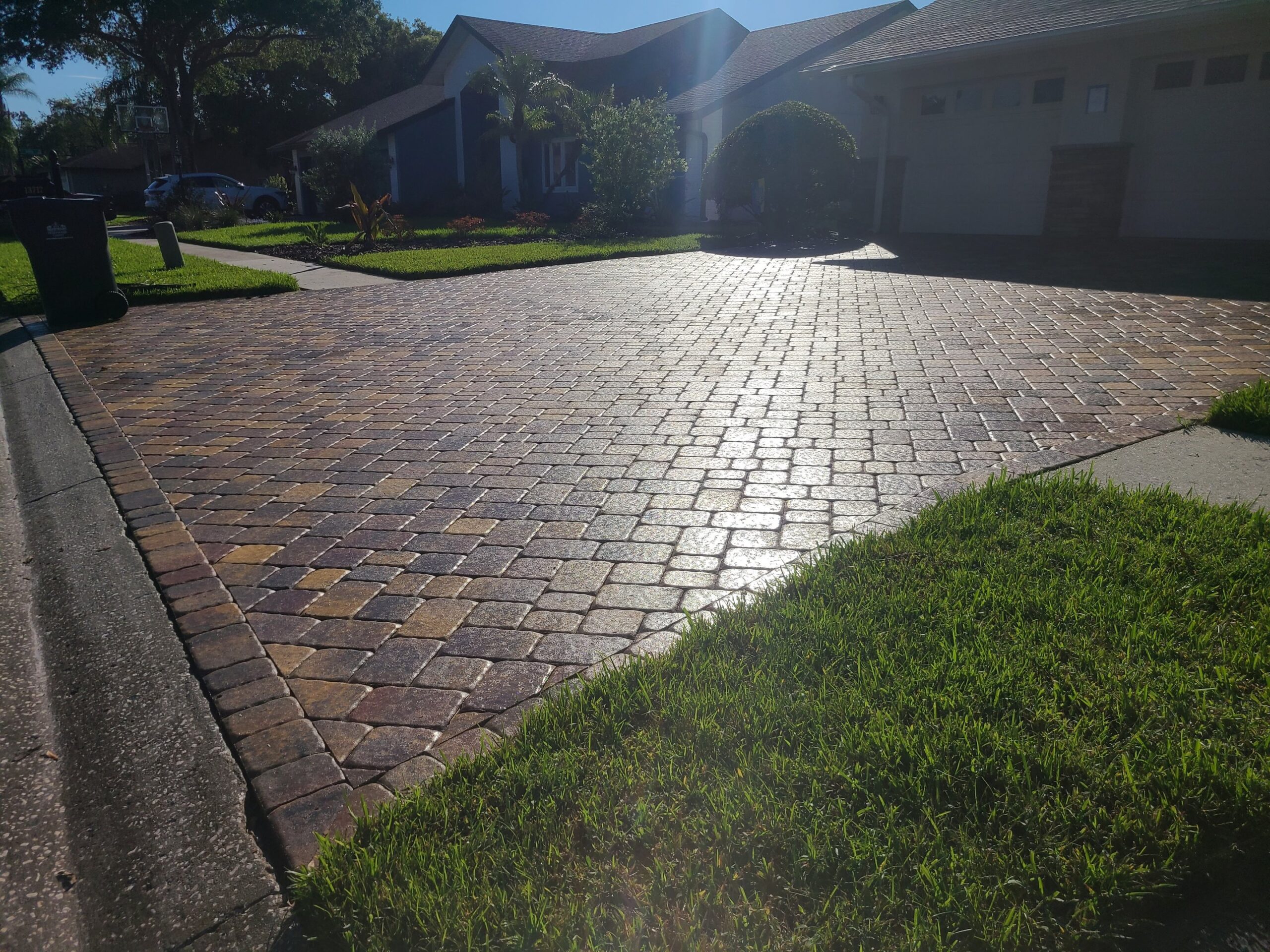
Film-forming sealers create a visible protective layer that enhances appearance but requires more careful application to avoid bubbling, peeling, or uneven coverage. They offer superior stain protection and color enhancement but may need reapplication sooner in high-wear areas.
How Much Does Paver Sealing Cost in Lutz, FL?
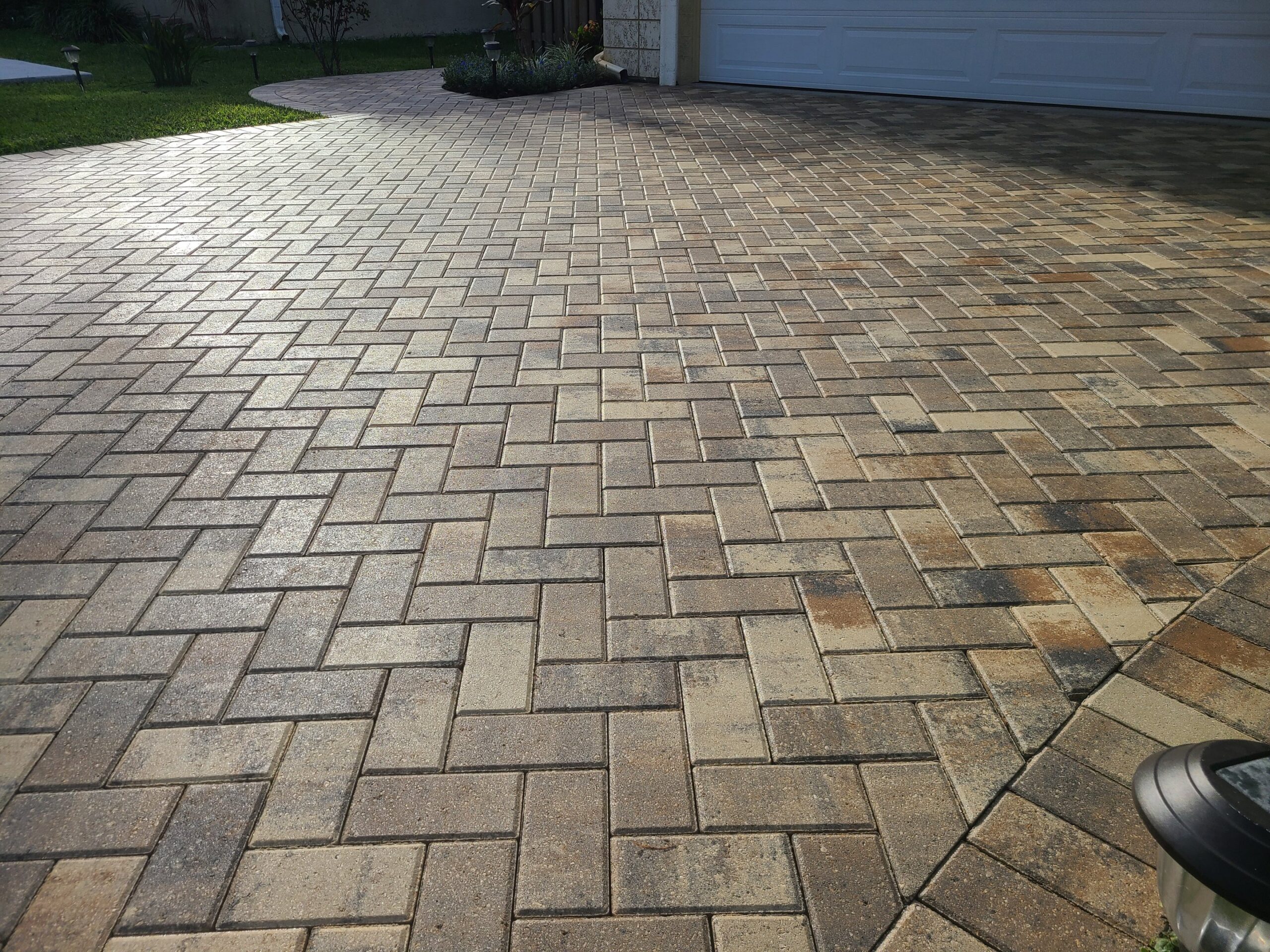
Pricing transparency helps you evaluate quotes accurately and budget for this essential maintenance service. Local market rates reflect labor costs, material quality, and the specific challenges of Florida’s climate.
Average Price Per Square Foot
Most professional paver sealing services in the Tampa Bay area charge between $0.75 and $2.50 per square foot. This range accounts for different sealer grades, surface conditions, and job complexity.
| Project Size | Low Estimate | Mid-Range | Premium |
| 200 sq ft (small patio) | $150 | $250 | $400 |
| 500 sq ft (driveway) | $375 | $625 | $1,000 |
| 1,000 sq ft (large area) | $750 | $1,250 | $2,000 |
| 2,000+ sq ft (commercial) | $1,200+ | $2,000+ | $3,500+ |
Larger projects typically qualify for volume discounts, reducing per-square-foot costs by 15-25% compared to smaller jobs.
Factors That Influence Paver Sealing Prices
Surface condition significantly impacts pricing. Pavers requiring extensive cleaning, weed removal, or joint sand replacement before sealing add $0.25-$0.75 per square foot to total costs.
Sealer type creates the most substantial price variation. Basic water-based products cost $15-25 per gallon, while premium solvent-based sealers run $40-60 per gallon. Coverage rates of 100-200 square feet per gallon mean material costs alone range from $0.15 to $0.60 per square foot.
Accessibility and complexity affect labor time. Pool decks requiring careful edge work, driveways with multiple elevation changes, or commercial properties needing after-hours service all command premium pricing.
Geographic location within the Tampa Bay market influences rates. Lutz properties may see slightly different pricing than downtown Tampa or coastal areas due to travel time and local competition.
DIY vs. Professional Sealing Costs
DIY paver sealing materials cost approximately $0.20-$0.40 per square foot for quality products, plus $50-150 for application equipment rental. A 500-square-foot driveway might cost $150-250 in materials alone.
However, DIY projects carry significant risks. Improper surface preparation leads to sealer failure within months. Uneven application creates blotchy, unattractive results. Incorrect product selection for your specific paver type can cause permanent damage or discoloration.
Professional services include proper pressure washing, joint sand stabilization, and expert application techniques that ensure even coverage and maximum product lifespan. The additional cost typically delivers 2-3 times longer protection compared to amateur applications.
The Paver Sealing Process: What to Expect
Understanding each step helps you evaluate service quality and recognize when contractors cut corners. Professional paver sealing involves careful preparation, precise application, and proper curing protocols.
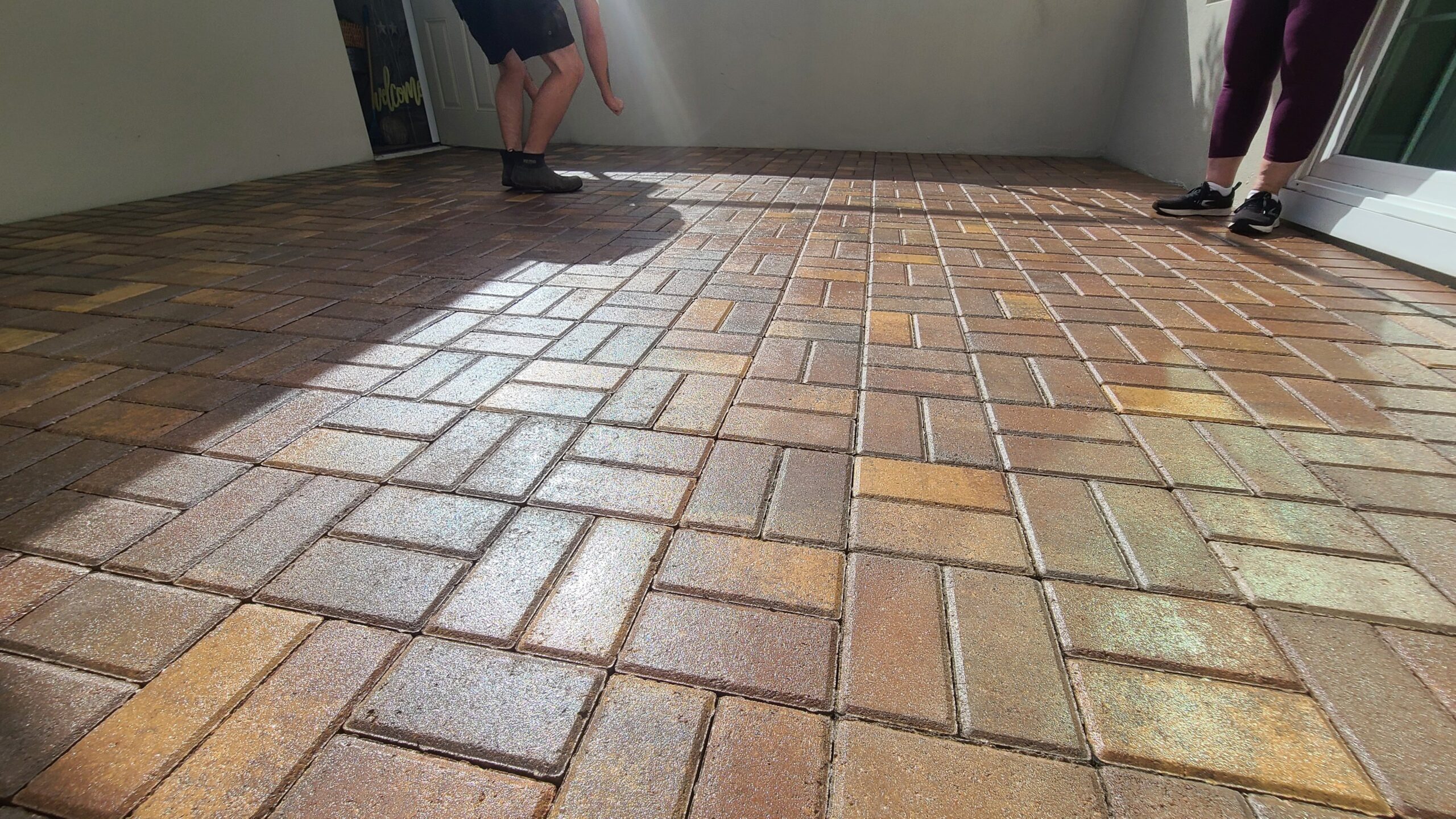
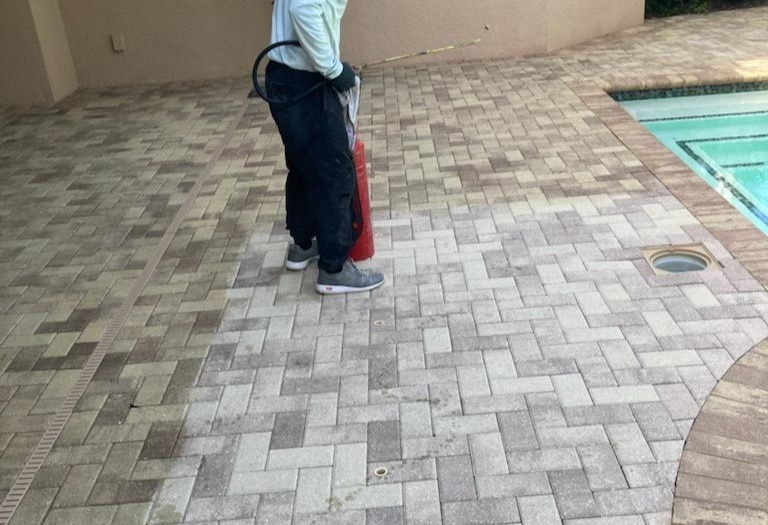
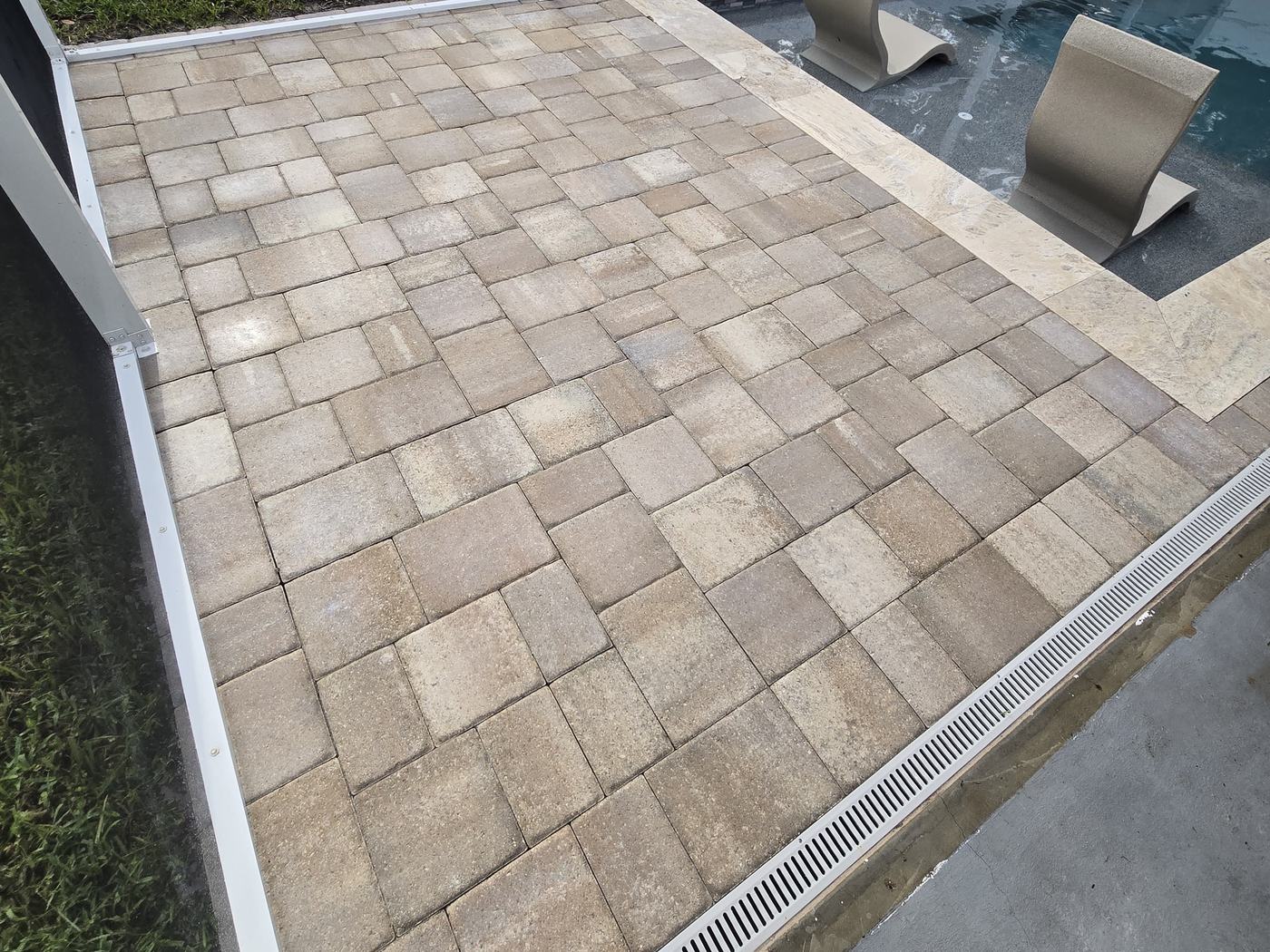
Surface Preparation and Pressure Washing
Thorough cleaning represents the most critical phase. Professionals use commercial-grade pressure washing equipment operating at 2,500-3,500 PSI to remove embedded dirt, algae, mold, and previous sealer residue.
Surface preparation typically includes:
- Removing all furniture, planters, and obstacles
- Pre-treating oil stains and organic growth
- Pressure washing entire surface with appropriate detergents
- Removing debris from joints
- Replacing polymeric sand if needed
- Allowing 24-48 hours drying time before sealing
Skipping or rushing this phase guarantees premature sealer failure. Moisture trapped beneath the coating causes bubbling, peeling, and white hazing that requires complete removal and reapplication.
Sealer Application Methods
Professional applicators use sprayers, rollers, or a combination depending on sealer type and surface texture. Spray application provides fastest coverage for large areas, while roller work ensures even penetration in textured or irregular surfaces.
Most jobs require two thin coats rather than one heavy application. This approach prevents pooling, ensures complete coverage, and builds proper film thickness for maximum protection. Coat timing varies by product but typically requires 2-4 hours between applications.
Edge work around landscaping, walls, and other structures demands careful hand application to prevent overspray damage and ensure complete coverage to boundaries.
Curing Time and Aftercare
Sealer curing requires specific conditions for optimal results. Most products need:
- 24-48 hours before foot traffic
- 72 hours before vehicle traffic
- No rain for minimum 24 hours after application
- Temperatures above 50°F during application and curing
Post-application care extends sealer lifespan significantly. Avoid pressure washing sealed surfaces for at least 30 days. Use pH-neutral cleaners for routine maintenance. Address oil spills and stains promptly before they penetrate the protective layer.
Read nextPressure Washing Services Guide
When Should You Seal Your Pavers?
Timing affects both application success and long-term protection. New pavers and existing surfaces have different requirements, and Florida’s climate creates specific scheduling considerations.
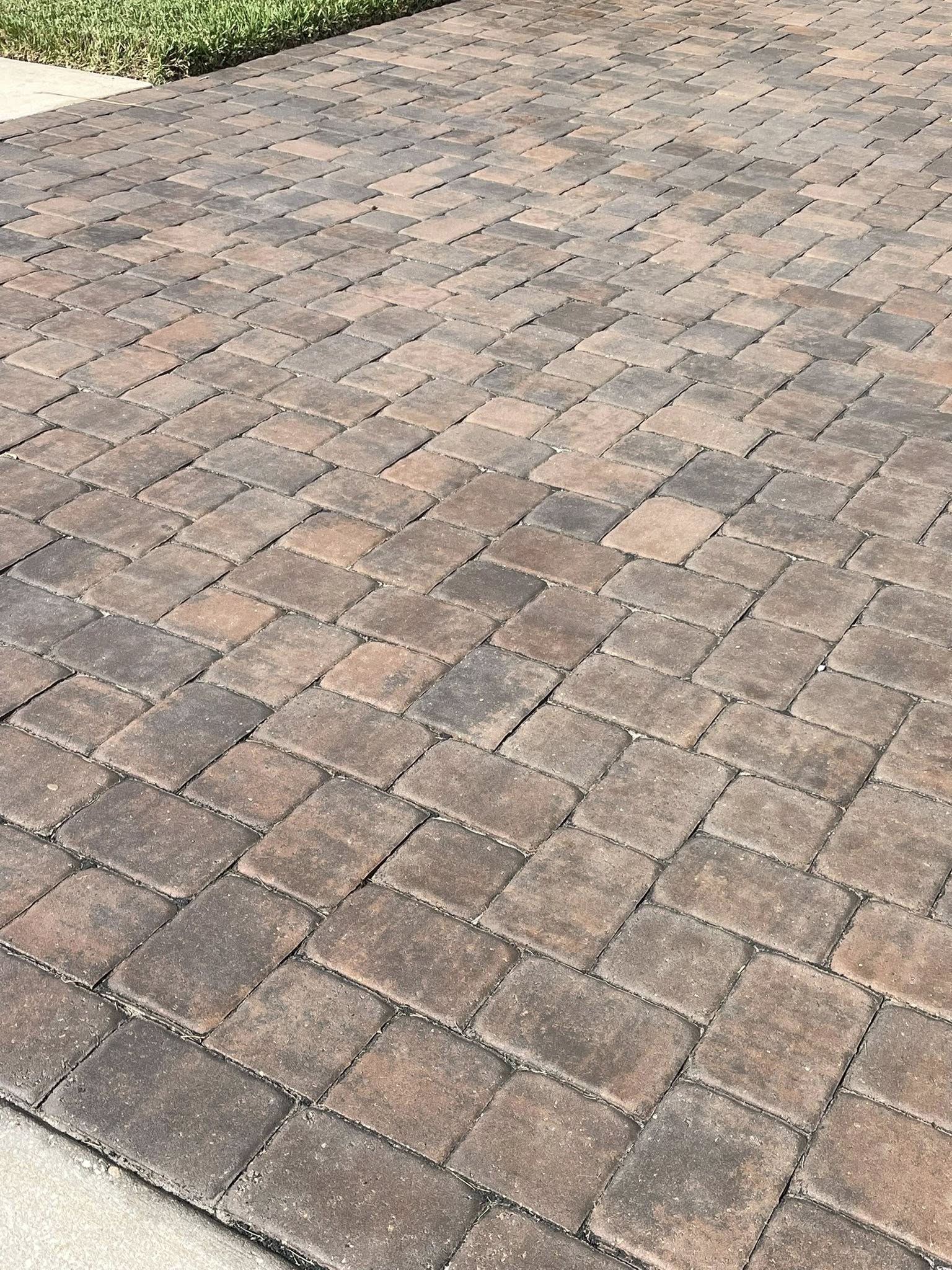
Signs Your Pavers Need Resealing
Watch for these indicators that protection has worn thin:
- Fading color compared to shaded or protected areas
- Water absorption instead of beading on surface
- Increased weed growth between joints
- Joint sand erosion creating gaps and instability
- Staining that previously would have wiped away
- Chalky or powdery surface texture
Most sealed pavers in Florida need resealing every 2-4 years depending on sun exposure, traffic levels, and original product quality. High-traffic commercial areas may require annual touch-ups in wear zones.
Best Time of Year for Paver Sealing in Florida
Late fall through early spring (October-April) provides ideal conditions in Lutz and the Tampa Bay area. Lower humidity speeds curing, reduced rain probability minimizes weather delays, and moderate temperatures ensure proper product performance.
Summer sealing remains possible but requires careful weather monitoring. Afternoon thunderstorms can damage fresh applications, and extreme heat may cause sealers to dry too quickly for proper penetration.
Avoid sealing during or immediately after rainy periods. Pavers must be completely dry—not just surface dry—for sealer adhesion. Professional contractors use moisture meters to verify readiness before application.
Read nextHow Often Should You Seal Your Pavers in Tampa? A Seasonal Guide
How to Choose a Paver Sealing Service Provider
Selecting the right contractor protects your investment and ensures satisfactory results. Quality varies significantly in the pressure washing and sealing industry, making due diligence essential.
Questions to Ask Before Hiring
Product specifications: What sealer brand and type will be used? Request product data sheets showing coverage rates, expected lifespan, and warranty information.
Preparation process: How will surfaces be cleaned? Will joint sand be replaced? What drying time is included before sealing?
Application method: How many coats? What equipment? Who performs the work—employees or subcontractors?
Pricing breakdown: What’s included in the quote? Are there potential additional charges for stain treatment, sand replacement, or difficult access?
Warranty and guarantee: What happens if the sealer fails prematurely? Is there a workmanship guarantee?
Insurance and licensing: Verify current liability insurance and any required local business licenses.
Red Flags to Avoid
Unusually low prices often indicate inferior products, inadequate preparation, or inexperienced labor. Quality sealing requires quality materials and sufficient time—neither comes cheap.
Pressure to decide immediately suggests the contractor fears comparison shopping. Reputable providers welcome questions and provide written quotes valid for reasonable periods.
No written contract leaves you unprotected if problems arise. Professional services include detailed agreements specifying scope, materials, timeline, and payment terms.
Unwillingness to provide references or show previous work indicates limited experience or dissatisfied customers. Established contractors proudly share their portfolio.
Cash-only payment requirements may indicate unlicensed operators avoiding tax obligations and accountability.
Read nextTop 5 Paver Sealing Mistakes to Avoid in Hillsborough County
Benefits of Professional Paver Sealing
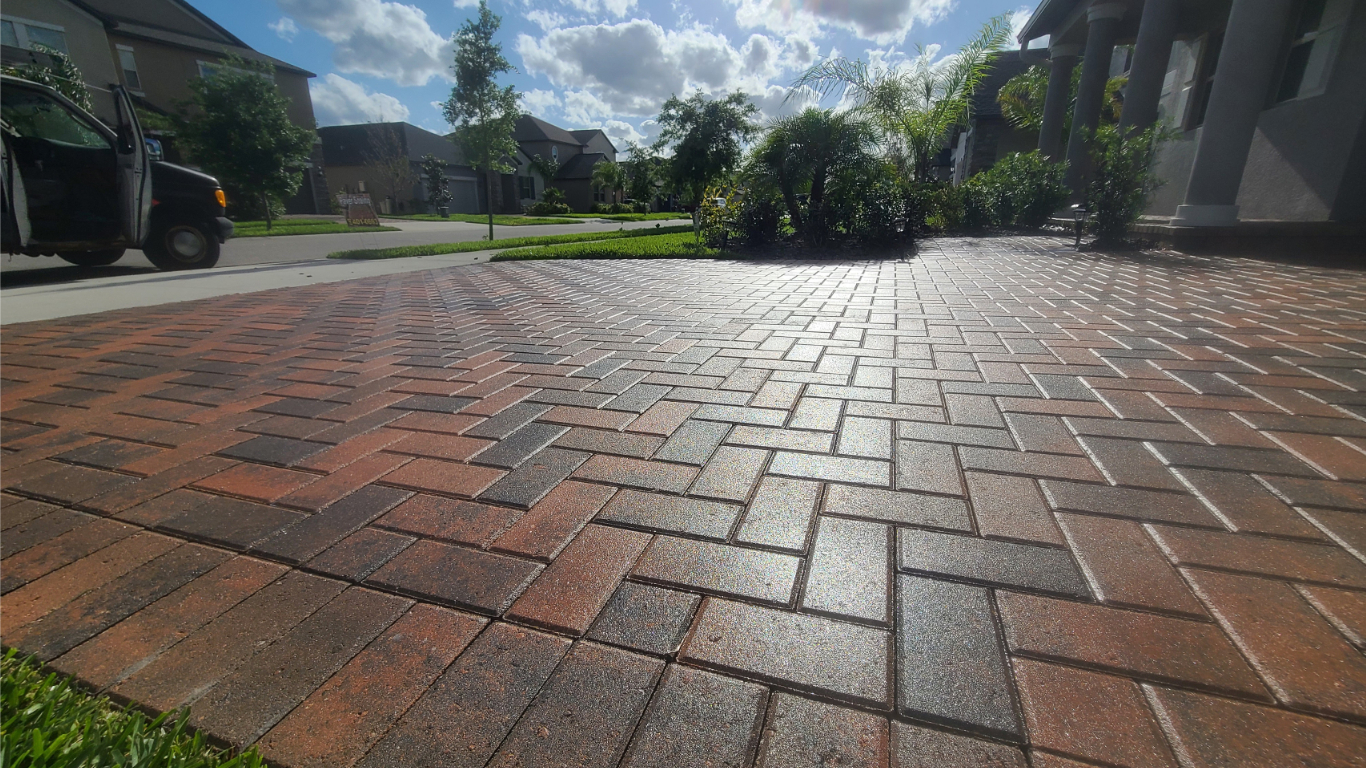
Investing in professional sealing services delivers returns beyond simple surface protection. The comprehensive benefits justify the cost for most property owners.
Extended paver lifespan reduces long-term replacement costs. Sealed pavers resist the erosion, cracking, and settling that eventually require expensive repairs or complete replacement.
Enhanced property value comes from maintained curb appeal. Real estate professionals consistently note that well-maintained hardscaping positively influences buyer perception and property valuations.
Reduced maintenance time frees you from constant weed pulling, stain treatment, and intensive cleaning. Sealed surfaces stay cleaner longer and clean more easily when needed.
Color preservation maintains the aesthetic investment you made in quality pavers. Faded, dull hardscaping detracts from overall property appearance regardless of other landscaping efforts.
Joint stabilization prevents the sand loss that leads to paver shifting, uneven surfaces, and trip hazards. Locked joints also resist ant hills and weed establishment.
Stain resistance protects against oil drips, leaf tannins, rust marks, and other common discoloration sources that permanently damage unsealed surfaces.
Read nextWhy Paver Sealing Is Essential for Tampa Bay Driveways
Conclusion
Paver sealing protects your hardscape investment while enhancing appearance and reducing long-term maintenance. Understanding sealer types, realistic pricing, and proper application processes helps you make informed decisions and recognize quality service.
The right provider combines thorough preparation, premium products, and expert application techniques to deliver results lasting 3-5 years. Taking time to evaluate contractors and ask detailed questions prevents costly mistakes and disappointing outcomes.
At Bulletproof Pavers, we provide transparent pricing and professional paver sealing services throughout Lutz and the Tampa Bay area. Contact us today for a detailed quote and discover how proper sealing protects your property investment.
We seal pavers across Tampa, Lutz, Brandon, Riverview, Valrico and Temple Terrace.
Frequently Asked Questions
How long does paver sealing last?
Professional paver sealing typically lasts 2-5 years depending on sealer type, traffic levels, and sun exposure. Solvent-based sealers generally outlast water-based products, while shaded areas maintain protection longer than surfaces in direct Florida sun.
Can you seal pavers yourself?
DIY paver sealing is possible but carries significant risks. Improper surface preparation, incorrect product selection, or uneven application often results in premature failure, wasted materials, and surfaces that look worse than before. Professional results require professional techniques.
Does paver sealing prevent weeds?
Sealing significantly reduces weed growth by stabilizing joint sand and creating conditions less hospitable to seed germination. However, no sealer completely eliminates weeds. Polymeric sand combined with quality sealer provides the best weed prevention.
How long after sealing can you walk on pavers?
Most sealers allow light foot traffic after 24-48 hours. Vehicle traffic typically requires 72 hours minimum. Specific timing depends on product type, temperature, and humidity. Your contractor should provide exact guidelines for your application.
What happens if it rains after sealing pavers?
Rain within 24 hours of application can cause serious damage including white hazing, bubbling, and uneven finish. Light rain after 24 hours usually causes minimal issues. Professional contractors monitor weather forecasts carefully and may reschedule if rain threatens.
Is paver sealing worth the cost?
For most property owners, professional sealing delivers excellent value through extended paver lifespan, reduced maintenance, and preserved appearance. The cost typically equals 2-3 years of the protection provided, making it more economical than premature paver replacement.
How often should pavers be resealed?
Most sealed pavers in Florida need resealing every 2-4 years. High-traffic areas, pool decks with chemical exposure, and surfaces in direct sun may need more frequent attention. Watch for fading, water absorption, and weed growth as indicators.